A product might leave the production line in a small cardboard box, a larger shipping case, or both, depending on how it needs to be stored and distributed. While these packages may look similar, the machinery used to prepare them can serve very different purposes. Understanding the difference between cartoning machines and case packers can make it easier to plan packaging operations and improve an existing production line.
Packaging Functions and ApplicationsCartoning machines and case packers both automate packaging tasks, but they typically serve different purposes within a production line. Cartoners generally place individual products or small groups into cartons, while case packers organize products or completed packages into larger cases for handling and distribution. Depending on how goods are packaged and shipped, a facility may use either machine independently or combine them into a larger system.
How Cartoning Machines WorkA cartoning machine typically forms a carton from a flat blank, inserts the product, and closes the package using a designated sealing method. The loading process may be horizontal, with products entering from the side. Or it may be vertical, with products inserted from above. These machines are commonly used for pharmaceutical products, packaged foods, and personal care items that require individual cartons or smaller multipacks.
How Case Packers WorkCase packers arrange and load products into larger cases, typically preparing multiple units for storage or shipment. Some systems place products into preformed cases, while others form corrugated cases around grouped items. Depending on the application, loading may involve pick-and-place mechanisms or other automated handling methods. From there, the completed cases can be sealed, labeled, and transferred to palletizing equipment.
Product Types and Handling Requirements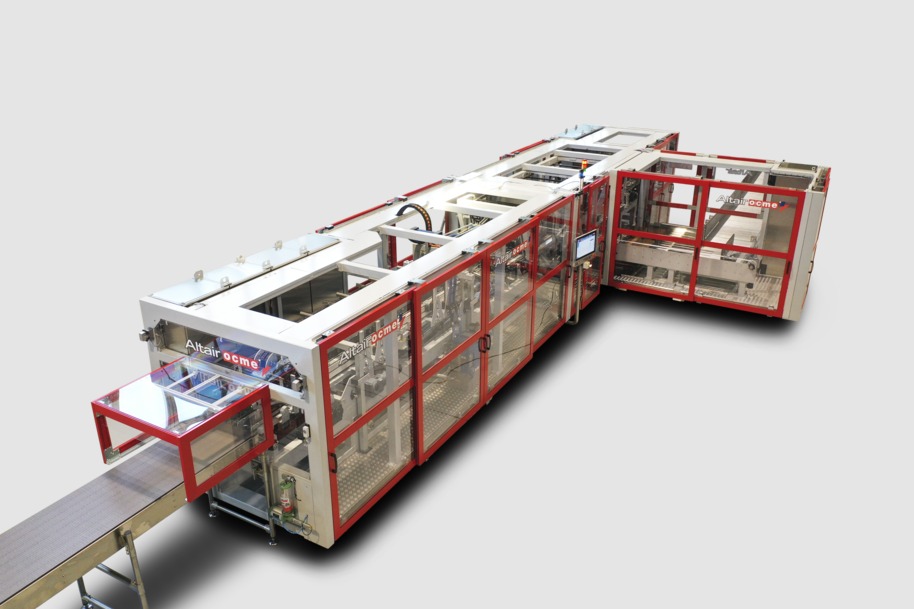
The difference between cartoning machines and case packers becomes clearer when you consider the products each system needs to handle. Cartoners often work with individual items or smaller groups that must be positioned precisely inside a carton. Case packers may handle larger quantities or heavier loads, including products that are already packaged. Before choosing either type of equipment, consider how the products will move through the packaging process.
Several characteristics can influence machine compatibility and overall performance:
- The equipment must accommodate the full range of product sizes and dimensions.
- Products may need additional positioning or stabilization to keep them upright during handling.
- Feeding mechanisms and other components must be able to handle the weight of the products.
- Fragile products may require gentler handling or more controlled movement to prevent damage.
- Some products must be positioned in a specific orientation before entering the carton or case.
- The machine must be able to arrange and load the required number of products into each package.
The materials used to make a package influence how it's formed, filled, sealed, and handled throughout production. Case packers often handle larger corrugated containers intended for shipping, while cartoning machines commonly work with folding paperboard cartons.
Material thickness and rigidity affect how well a package moves through the machinery and maintains its shape. Closure methods also vary, with some cartons using tuck flaps and others requiring adhesives or additional sealing operations. Rather than assuming all cardboard packages can run through similar equipment, manufacturers should compare their packaging specifications with the machine's capabilities.
Carton and Case StylesFolding cartons are commonly used for individual products or smaller groups and may feature tuck-flap or glued closures. Shipping cases are generally made from corrugated materials, with designs ranging from regular slotted containers to trays and wrap-around cases. Each format places different demands on how the equipment forms the package and loads the product. For example, a wrap-around case packer folds a flat blank around an arranged group of products, while other systems load products into cases that have already been erected.
Machine Design and Operating ProcessesA machine’s design determines how products move through each packaging stage and how those operations work together. Cartoning systems generally use a sequence of mechanisms to form cartons, feed products into position, insert them, and close the finished packages. Case packers place greater emphasis on accumulating and grouping products before loading multiple units into a case.
Another consideration is whether the machinery uses intermittent or continuous motion. Intermittent-motion systems move products through a series of cycles that include stopping and starting, while continuous-motion equipment keeps them moving through the packaging sequence. Both designs have advantages, and the better option depends on factors such as product stability and the packaging operations involved.
Production Speed and Throughput Capacity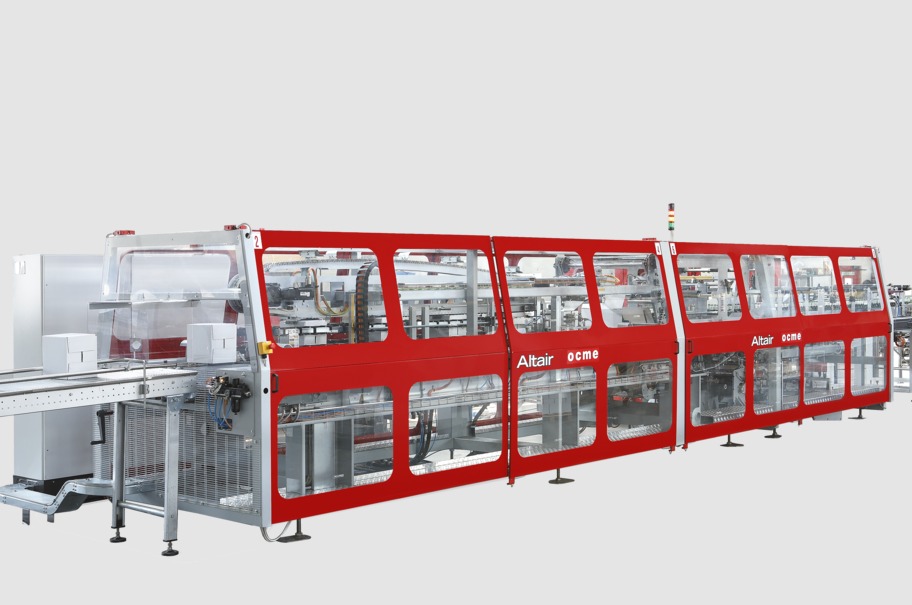
Even when a machine can operate at high speed, its actual output depends on how consistently products move through the line. Cartoning machine speeds are typically measured in cartons per minute, while case packer capacity is often expressed in cases per minute. Since each case may contain multiple products, a case packer can operate at a lower package rate while still processing the full output of an upstream cartoning system.
When evaluating throughput, consider the following factors:
- Products must arrive at the machine at a consistent rate to maintain steady production.
- The number of products loaded into each carton or case can affect overall packaging speed.
- The time required to complete each packaging cycle influences how many packages the machine can process.
- Products may need additional spacing or positioning before they can be loaded into cartons or cases.
- Frequent changeovers between products or packaging formats can interrupt production and reduce throughput.
- Bottlenecks in upstream or downstream equipment can limit the overall output of the packaging line.
A new packaging machine needs to work with the equipment already operating before and after it. Whether you're adding a cartoner or a case packer, integration involves more than simply connecting machines with conveyors. The physical layout and coordination between systems all influence how smoothly products move through production.
Connections With Upstream and Downstream EquipmentCartoning machines often receive products from filling or wrapping systems, while case packers may connect to inspection stations and palletizing equipment. Each machine must be able to receive and transfer products at a rate that matches the surrounding equipment. Proper coordination reduces the risk of inconsistent product flow and backups.
Facility Layout and Equipment AccessAvailable floor space and conveyor heights can influence where a new machine can be installed. The layout must also provide enough room for operators to access equipment for adjustments and maintenance. Planning for these requirements can prevent installation challenges and make daily operations more manageable.
Communication and Production CoordinationPackaging machines need to exchange operating signals with other equipment to maintain consistent product flow. For example, if a downstream machine stops, the upstream equipment may need to slow down or pause to prevent products from accumulating. Coordinating these responses allows the production line to handle interruptions without creating additional problems.
A cartoning machine may prepare a product for sale, while a case packer gets multiple units ready for shipping and distribution. Although these tasks are different, the way they're coordinated can affect the efficiency of the entire packaging process. Looking at how products move from one stage to the next can reveal opportunities to reduce unnecessary handling and improve workflow. With this perspective, it’s easier to determine which equipment a facility needs and how the machines should work together.