A packaging line can run smoothly for hours, only to slow down when cases pile up or pallets aren't ready for transport. Even small interruptions can disrupt production schedules and increase labor demands. Optimizing your end-of-line packaging process can improve production consistency and reduce delays. This guide covers several ways to identify challenges, improve equipment efficiency, and maintain a steady flow of finished products.
Assess Current Packaging PerformanceOperational data can reveal where delays occur and whether individual machines are consistently meeting production targets. Establishing a performance baseline also gives you a reliable way to measure the impact of future improvements.
Several key performance indicators can provide a clearer picture of your packaging line's efficiency:
- Throughput: The number of finished packages processed within a specific period.
- Equipment downtime: The frequency and duration of planned and unplanned production stops.
- Changeover time: The time required to switch between packaging formats or configurations.
- Packaging errors: The frequency of damaged packages or incorrect case configurations.
- Overall equipment effectiveness (OEE): A measurement of equipment availability and performance.
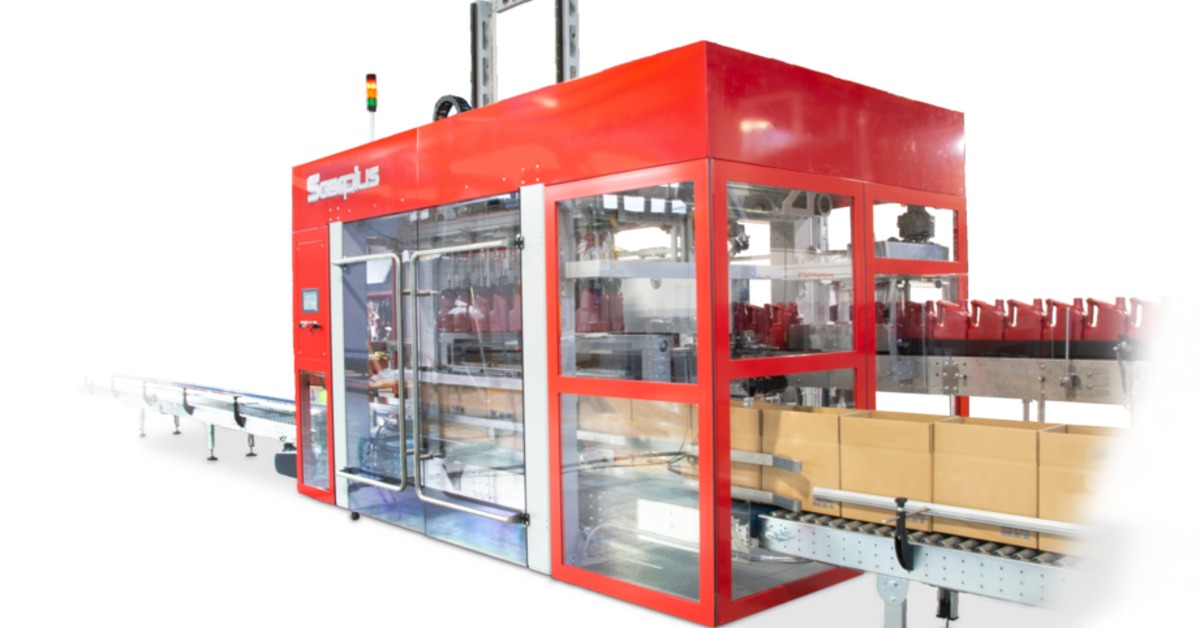
Choosing the right packaging machinery involves more than comparing equipment speeds and automation capabilities. To optimize your end-of-line packaging process, consider how each machine will function within your existing production environment. Available floor space and product characteristics influence this decision, along with the requirements of surrounding equipment.
New machinery should accommodate current production volumes without creating limitations elsewhere on the line. Evaluating the full production sequence before selecting machinery can prevent capacity mismatches and costly future modifications.
Account for Different Packaging FormatsFacilities that handle multiple products often need machinery that can process different container dimensions and packaging materials. Equipment with adjustable settings or configurable components can accommodate these variations without extensive modifications. However, changes in packaging formats may also affect how products move through conveyors and downstream handling systems.
Improve Case Packing EfficiencyCase packing connects primary packaging operations with downstream palletizing equipment, making consistent product flow essential. When products enter the case packer unevenly or aren't positioned correctly, the resulting interruptions can affect the rest of the line. Examining how products enter, move through, and exit the machine can reveal opportunities to improve performance.
The case packer you choose also affects production efficiency. Wrap-around case packers form cases around groups of products, creating a secure package while reducing the need for pre-formed boxes. Pick-and-place systems use automated mechanisms to pick up products and place them in cases in the required arrangement. Matching equipment to your product's handling requirements and case configuration can reduce the need for production adjustments.
Optimize Palletizing and Load StabilityEfficient palletizing requires more than stacking finished cases as quickly as possible. Loads must remain stable during transportation and warehouse handling, since shifting products can lead to damage or operational delays. Automated palletizers provide repeatable stacking patterns, but those patterns still need to account for each product's and its packaging's characteristics.
Several factors influence pallet stability and handling performance:
- Pallet patterns: Arrange cases to distribute weight and maintain adequate support throughout the load.
- Weight distribution: Position heavier products to reduce instability during handling.
- Package dimensions: Account for differences in case size and stacking strength.
- Stacking height: Consider product characteristics, pallet capacity, and transportation restrictions.
- Load containment: Evaluate stretch wrapping or other methods for securing finished pallets.
Palletizing performance also depends on how products move into and out of the production line. Depalletizers automate the removal of products from pallets before they're transferred to downstream equipment. Coordinating these operations with conveyors and other material handling systems reduces the need for manual transfers and keeps products moving more consistently.
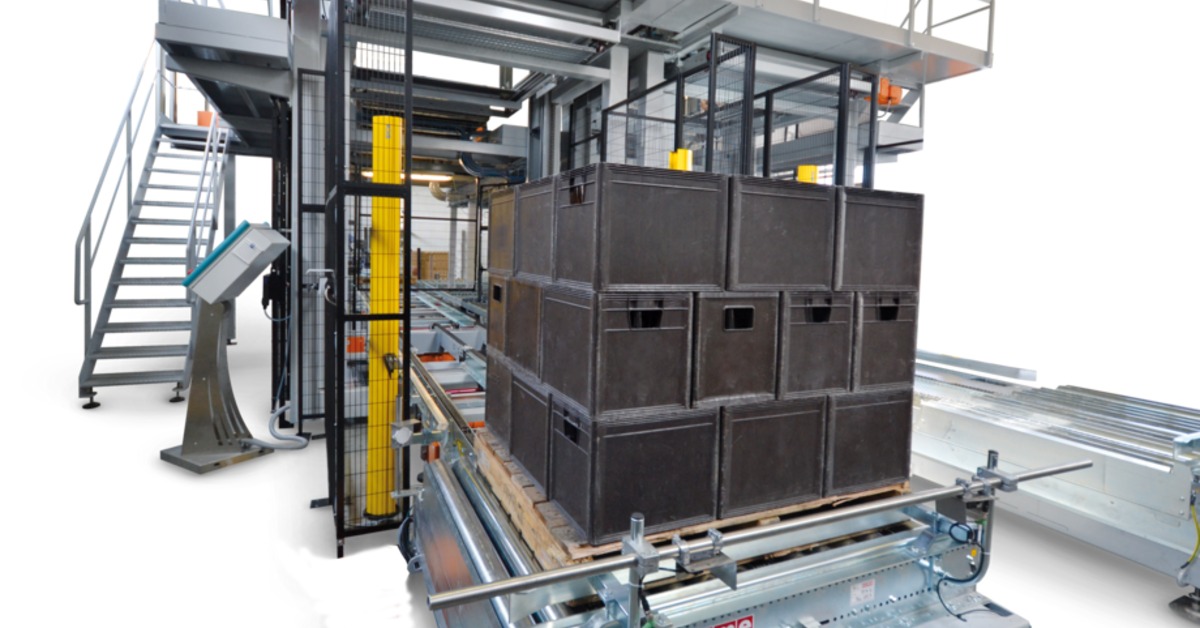
Once cases are palletized, they need to be transported to storage, staging, or shipping areas. If pallets aren't moved promptly, they can pile up near the palletizer and delay the entire packaging line.
To improve material flow, start by evaluating how pallets move through your facility. Long travel distances, overlapping traffic routes, and poorly positioned staging areas can slow operations, especially during high-output periods. Adjusting the facility layout and coordinating pallet transport with production speeds can reduce congestion and keep packaging running efficiently.
Connect End-of-Line Packaging SystemsEven when individual machines perform efficiently, the packaging line can still experience delays if equipment doesn't work together. Differences in operating speeds or poorly coordinated transfers can interrupt product flow between packaging stages. Integrating equipment lets machines communicate and adjust to changing production conditions, reducing disruptions across the line.
Coordinate Speeds and Product FlowEach machine needs to operate at a speed that matches the capacity of the surrounding equipment. For example, if a palletizer temporarily stops, upstream machinery may need to slow down to prevent cases from piling up. Sensors and accumulation conveyors can regulate product movement by controlling when products advance to the next stage. This coordination reduces the risk of jams and keeps production running more consistently.
Use Centralized Monitoring to Identify IssuesConnecting equipment through a centralized monitoring system gives operators a clearer view of the entire packaging line. Instead of checking individual machines, they can track equipment status and identify where interruptions occur. Production data can also reveal recurring slowdowns or performance differences between packaging stages. With this information, managers can make targeted adjustments and address potential problems before they lead to extended downtime.
Prioritize Preventive Maintenance and TrainingEven a well-designed packaging line can become less efficient when routine maintenance falls behind. Components wear over time, and minor mechanical issues can eventually lead to unexpected breakdowns or inconsistent packaging results. Following a preventive maintenance schedule based on manufacturer recommendations and actual equipment usage can reduce these risks.
Operators also play an important role in keeping machinery running reliably. They should understand standard operating procedures and recognize early signs of equipment problems. Combined with maintenance records and regular performance reviews, ongoing training can make recurring issues easier to identify and address before they disrupt production.
A more efficient packaging line isn't just about speed; it's about keeping products moving consistently with fewer interruptions. Small improvements in equipment coordination, pallet handling, and maintenance can make a noticeable difference in operations. As production demands change, regularly review your processes to find opportunities to reduce downtime and improve performance.