The right packaging machinery supplier can make it easier to improve efficiency and plan for future growth. These systems can automate tasks such as filling, case packing, palletizing, and material handling to keep products moving efficiently through production. To choose the right packaging machinery supplier, consider both the equipment they offer and the service they provide. Here are some tips for evaluating a supplier’s experience, integration capabilities, and scalability.
Evaluate Relevant ExperiencePackaging requirements can vary significantly based on the product, package format, production environment, and line speed. A supplier with relevant industry experience is more likely to understand the conditions that can affect equipment configuration and line performance.
Rather than focusing only on how long a company has been in business, look at the types of projects it has completed. Experience with products, packaging formats, sanitation requirements, or handling needs similar to yours can be especially valuable. That background indicates that the supplier already understands many of the practical demands of your operation.
Assess Equipment CapabilitiesWhen choosing a packaging machinery supplier, review the equipment and automation capabilities that may affect your line. A supplier that can address several stages of the packaging process may make it easier to coordinate specifications, controls, and material flow.
When comparing suppliers, review whether they offer capabilities such as:
- filling systems for applicable product types
- case packing and secondary packaging
- palletizing and depalletizing equipment
- conveying and product handling
- automated material handling systems
- controls and line automation capabilities
Your new packaging machinery needs to work smoothly with the rest of your line, not just perform well on its own. Ask how the packaging line manufacturer can connect the equipment with upstream and downstream machines, conveyors, controls, safety systems, and other facility infrastructure. You’ll also want to understand how products and data will move from one stage of the process to the next.
Determine Configuration Flexibility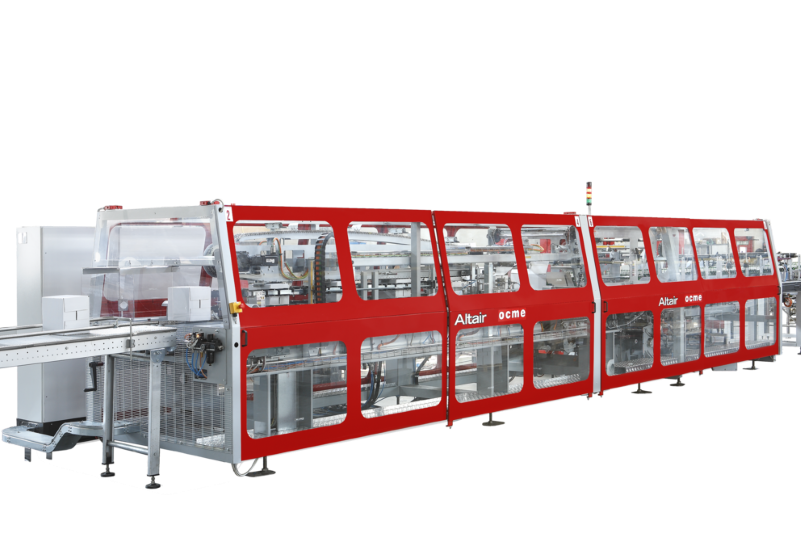
Even standard packaging machinery may need to be configured around the conditions of your facility. The right setup should account for how your products move through the line, how operators interact with the equipment, and how easily the system can adapt to different production needs.
These key factors can influence equipment configuration:
- Floor space may affect machine footprint, layout, and access points.
- Product characteristics can influence handling methods, speeds, and equipment settings.
- Package dimensions may determine tooling, guides, and adjustment requirements.
- Sanitation requirements can shape equipment materials, access, and cleaning features.
- Line speed may affect machine capacity and coordination with surrounding equipment.
- Operator access influences controls, maintenance access, and ergonomic design.
- Changeover needs may determine how easily the system must switch between products or packaging formats.
Your packaging needs may change as production increases, new products are added, or more automation is introduced. Planning for those changes can make it easier to avoid equipment that limits you over time. Ask potential suppliers what the system can handle now and how it could adapt as your operation grows.
Scalability can take different forms depending on your facility. You may need to increase throughput, accommodate another package size, expand material handling, or connect additional equipment later. Understanding those options before installation can give you a clearer sense of whether the system will continue to fit your needs over the long term.
Evaluate Automation TechnologyAutomation should make specific parts of your operation easier to manage, not add unnecessary complexity. Start by looking at where your facility needs better throughput, smoother product flow, or less reliance on manual labor. From there, you can evaluate whether a supplier’s automation technology fits those goals.
You’ll also want to consider how operators and maintenance teams will interact with the system day to day. Controls should be intuitive for routine use, while diagnostics should make it easier to identify and address problems when they occur. Ask suppliers to explain how their technology performs in production environments so you can better understand what it will be like to operate and maintain over time.
Compare Total Ownership CostsThe purchase price is only one part of what packaging machinery may cost over time. Ongoing expenses can include maintenance, labor, spare parts, utilities, consumables, and planned downtime. Looking at those costs together can provide a more useful financial picture than comparing purchase prices alone.
Ask suppliers for enough operational information to estimate long-term expenses with reasonable confidence. Maintenance intervals and common wear components are useful starting points, but labor needs and energy demand may also affect overall cost. A lower initial price may not be the less expensive option if the system requires significantly more resources to operate and maintain.
Review Installation and TrainingAsk the supplier what your team needs to prepare before the equipment arrives and what they will handle during installation, commissioning, testing, and startup. Clear expectations can make it easier to coordinate everyone involved.
Training is just as important once the system is in place. Find out who will be trained, what the sessions will cover, and whether materials will be available for future employees.
Project Management ProcessesPackaging equipment projects often involve multiple teams, timelines, and technical steps. A clear project management process makes it easier to track progress and understand who is responsible for each stage. Ask how the supplier handles communication, approvals, scheduling, and project changes. These details give your team a better idea of what to expect from planning through installation.
Assess After-Sales SupportThe supplier relationship continues after commissioning. Review the resources that will be available once the line is in operation and consider how well they fit your facility’s maintenance strategy.
After-sales support may include several services, so compare how each supplier handles areas such as:
- technical support availability
- field service capabilities
- preventive maintenance programs
- spare parts availability
- recommended parts inventories
- remote troubleshooting capabilities
- response procedures for urgent issues
The strongest supplier fit is one that works for both the equipment and the operation around it. Instead of treating the purchase as a standalone machinery decision, look at how well the supplier can support your facility today and over time. At OCME USA, we design, manufacture, install, and service automated packaging systems to improve production efficiency. Fill out our contact form to connect with our team.