Two shrink wrapping machines may produce nearly identical packages, yet differ significantly in film consumption and operating requirements. Those differences aren't always obvious from equipment specifications, especially when comparing systems designed for different packaging formats. Choosing an automated shrink wrap machine requires looking beyond maximum output to consider how the equipment will perform during everyday operations. This guide breaks down the practical considerations that can influence package quality and production efficiency.
Consider Your Packaging RequirementsBefore comparing machines, take a close look at what you'll be wrapping and how the finished packages will be handled. Bottles, cans, cartons, and other products have different physical characteristics that influence how they move through the equipment. A machine that handles uniform containers efficiently may need additional features to process irregularly shaped or unstable products.
Start by documenting the following packaging requirements:
- Record the product dimensions.
- Determine the weight of individual items and completed bundles.
- Identify how many products will be grouped together and how they'll be arranged.
- Calculate the number of finished packs needed per minute or hour.
- Consider how packages will be conveyed, stacked, palletized, and transported.
- Document the different sizes and formats the equipment must accommodate.
Some products remain stable when grouped together, while others need additional support to stay secure during handling. For example, rigid beverage cans may work well in film-only bundles, but certain bottle configurations may benefit from a supporting pad or tray. Narrow bases and delicate surfaces can also affect how products behave during wrapping and transportation. Determine which packaging configuration provides the necessary stability without using more material than needed.
Compare Shrink Wrapping Machine Types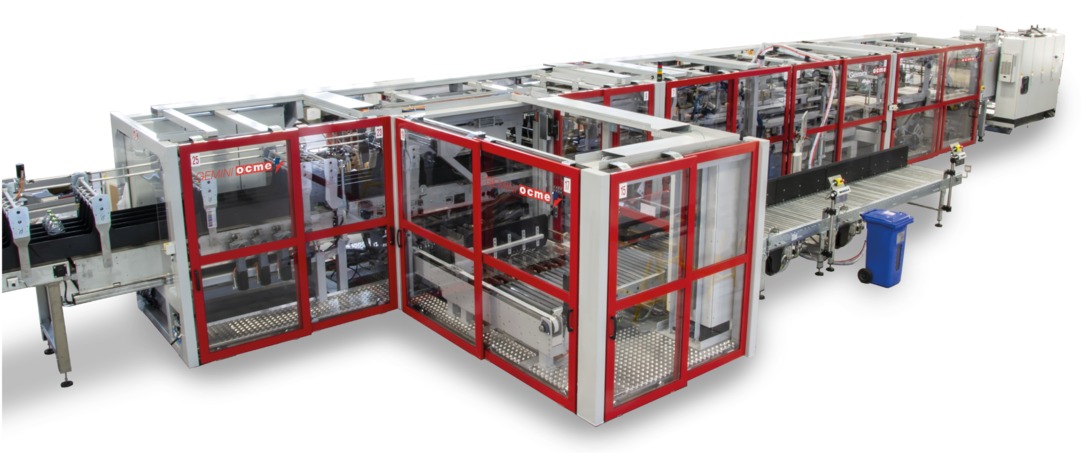
Shrink wrapping machines differ in how they handle products and form finished packages. Some systems are designed for continuous, high-speed production, while others use intermittent movements to complete each wrapping cycle. Understanding these differences is key to choosing an automated shrink wrap machine that fits your production requirements.
Wrapping Methods and ConfigurationsSome machines use intermittent sealing mechanisms that briefly stop products during wrapping, while continuous-motion systems keep packages moving. The best option depends on the required output and how products are grouped before wrapping. Depending on their configuration, automatic shrink-wrapping machines can produce film-only bundles or incorporate flat pads and trays for additional support. Consider which formats fit your products and how the finished packages will be handled during distribution.
Shrink Tunnel ConfigurationsOnce the film is applied, the shrink tunnel uses controlled heat to tighten it around the products. The result depends on several operating conditions, including conveyor speed and how evenly heated air circulates around each bundle. Different product dimensions and heat sensitivities may call for adjustments to prevent loose film or damage from excessive heat exposure. When evaluating equipment, ask about temperature controls and heating zones, along with the adjustments available for different package formats.
Evaluate Production Speed and CapacityA machine's rated speed provides a useful starting point, but it doesn't always reflect the output you can expect during everyday production. For example, equipment may handle smaller bundles faster than larger ones, particularly when packaging arrangements become more complex. To get an accurate comparison, look at performance specifications for products and configurations similar to those used in your facility.
Just as important is how consistently the machine can maintain that speed throughout a shift. Product spacing and film feeding must stay synchronized, and completed bundles need to move through the shrink tunnel without creating backups. Looking at the entire operating cycle, rather than maximum speed alone, will give you a better understanding of the machine's practical production capacity.
Changeover RequirementsIf your facility handles multiple products, the time needed to switch between formats can greatly affect your daily output. Some machines use stored operating recipes and automated adjustments. Others require operators to reposition guides or make mechanical changes by hand. Frequent changeovers make it particularly important to consider the number of adjustments involved and how quickly production can resume.
Assess Film Compatibility and Performance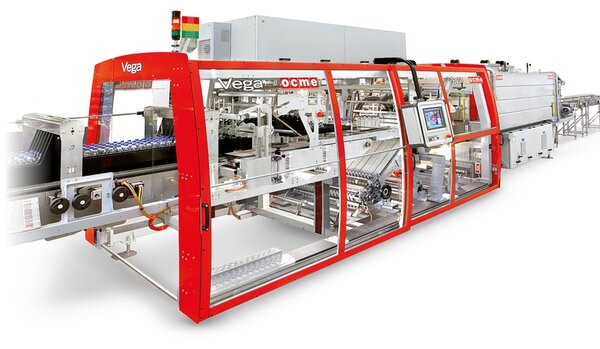
The shrink film you use affects package durability and machine operation. Polyethylene shrink film is commonly used for bundling bottles and other products, though its characteristics vary by formulation. Before selecting equipment, confirm which film specifications are recommended and whether the system can run the materials your operation plans to use.
Even with the right film, machine settings can affect the quality of the finished wrap. Poor tension control or unsuitable sealing conditions may leave bundles with weak seals, wrinkles, or damaged film. Running trials with representative products and the intended film can identify issues before you commit to a machine.
Check Existing Production Line CompatibilityEven a well-performing shrink wrapper can create bottlenecks if it doesn't work smoothly with the surrounding equipment. Upstream conveyors must deliver products at the right speed and spacing, while downstream systems must accept finished bundles without causing accumulation. Review the proposed machine's footprint and conveyor connections to see whether it fits your layout or requires modifications.
Beyond the physical layout, consider how the equipment will communicate with the rest of the line. Sensors and control signals may be needed to manage product flow during normal operation and restarts. Before finalizing a configuration, confirm electrical requirements and communication protocols with the supplier, along with any safety interlocks and access space needed for operation and servicing.
Review Maintenance and Operator AccessibilityRoutine servicing is part of keeping any shrink wrapping system operating reliably, so it's worth examining how easily maintenance tasks can be performed. Sealing assemblies and other components may need regular inspections or periodic replacement. Machines with accessible service points and well-organized components can make these tasks less disruptive to production.
Equipment that's easy to operate can make daily production run more smoothly, especially when facilities work multiple shifts or frequently switch packaging formats. Clear controls and easy-to-understand alarm messages allow operators to spot problems quickly. Accessible film reels make material changes easier. Before choosing a machine, ask about maintenance schedules and operator training so you know what to expect once it's installed.
Calculate Total Cost of OwnershipThe initial purchase price doesn't tell you everything about what a shrink wrapping machine will cost over its service life. Two systems with similar upfront prices can have very different ongoing expenses, particularly when their material usage and energy requirements differ. Looking at total cost of ownership lets you compare equipment based on long-term financial impact rather than purchase price alone.
Include the following expenses when calculating the total cost of ownership:
- Include the machine, accessories, installation, and commissioning costs.
- Estimate film costs based on material usage and production volume.
- Account for electricity used by the wrapping equipment and shrink tunnel.
- Factor in replacement parts, preventive maintenance, and service costs.
- Consider operator time for film changes and monitoring.
- Estimate losses from downtime and unexpected repairs.
- Plan for costs associated with new product formats or increased production capacity.
A new shrink wrap machine is an investment in your facility's efficiency. The right equipment can reduce material waste and limit production interruptions. Before deciding, consider how the machine will perform during your busiest periods and whether it can accommodate future production changes. Equipment that works well today and as your business grows delivers value long after installation.