Even a small interruption in case packing can affect product flow through an entire production line. Case packers automate grouping and packing products into cartons or cases, preparing them for storage and distribution. Some machines form cartons around grouped products, while others load items into preformed cases. To choose the right case packer, evaluate your business needs, from packaging formats to required output.
Assess Your Current Packaging ChallengesBefore comparing equipment, take a closer look at where your current packaging process falls short. Some facilities struggle to keep manual packing operations in step with production, while others experience delays from inconsistent case handling or frequent equipment interruptions. Pinpointing these issues gives you a clearer idea of which machine capabilities would make the greatest difference.
Before selecting a new case packer, consider whether your facility experiences any of these challenges:
- Products accumulate when packing equipment can't keep up with upstream production.
- Inconsistent case forming, loading, or sealing leads to packaging errors and rework.
- Manual packing tasks require significant labor and slow down operations.
- Unplanned equipment downtime interrupts production and delays downstream processes.
- Limited machine flexibility makes it difficult to switch between products or packaging formats.
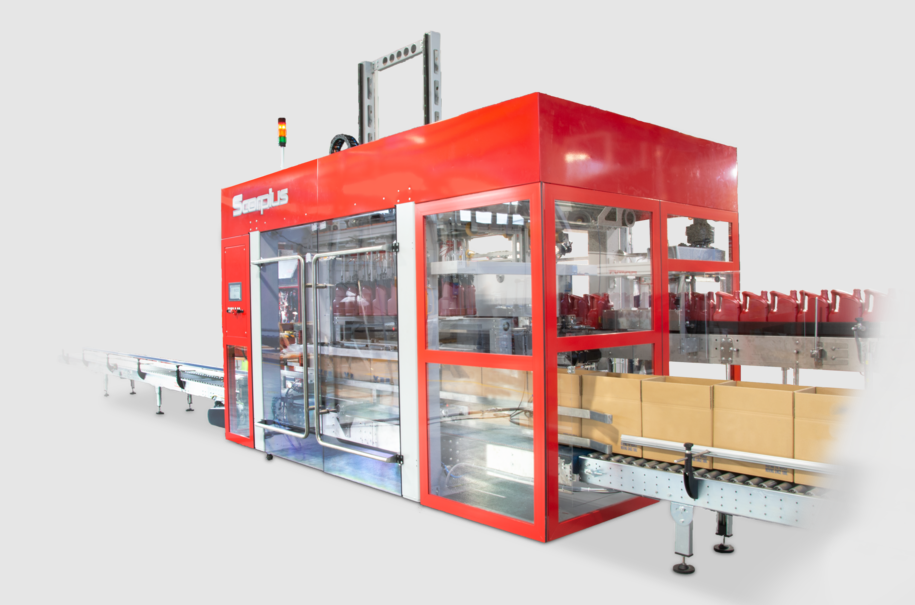
Case packers use different methods to group products and prepare them for distribution. Some machines form cartons around products, while others place items into preformed cases or use robotic handling systems for more complex arrangements. Understanding how these technologies work is an important step in choosing the right case packer for your business needs.
Wrap-Around Case PackersWrap-around case packers form corrugated cartons around grouped products, creating compact packages with a secure fit. They're commonly used for bottles, cans, and other products that can be arranged in consistent packing patterns. This method is particularly useful for facilities that need uniform packaging and efficient handling of high production volumes.
Pick-and-Place Case PackersUnlike wrap-around systems, pick-and-place machines lift products and position them inside cases using mechanical handling systems. This allows for controlled placement, making them suitable for products that require specific orientations or careful handling. They're worth considering when product characteristics or case configurations make wrap-around packing less practical.
Match Equipment to Product RequirementsTwo facilities may have similar production targets but need very different case packing equipment because of the products they handle. A machine designed for rigid, uniform containers might not work well with fragile items or packages that have irregular dimensions. That's why it's important to examine your products' physical characteristics alongside the specifications of the cases used to transport them.
Key product and packaging considerations include:
- Product dimensions: The size, shape, and weight of individual containers or packages.
- Container stability: Whether products can remain upright and properly positioned during handling.
- Product fragility: The level of handling control needed to prevent damage to containers or labels.
- Case styles and materials: The types of corrugated cartons or other packaging formats required.
- Packing configurations: How many products go into each case and how they must be arranged for secure transport.
- Format variations: Differences in product sizes or case designs that the same machine must accommodate.
A case packer's maximum advertised speed doesn't always reflect what it can deliver throughout a normal production shift. Actual output depends on the products being packed, the case format, and how consistently items arrive at the machine. Rather than comparing maximum speeds alone, consider how many cases per minute your operation needs and whether the equipment can maintain that rate under typical operating conditions.
It's also important to look at how the case packer will affect the rest of your line. For example, a machine that runs faster than downstream equipment can create product accumulation unless there's enough buffering capacity to manage the difference. The goal is to maintain a steady flow of products through the entire process, not simply maximize the speed of one machine.
Plan for Production Line Integration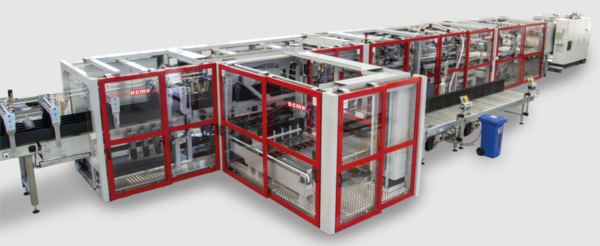
Even a high-performing case packer can create problems if it doesn't work well with the surrounding equipment. It needs to receive products consistently from upstream machinery and transfer finished cases to the next stage without unnecessary interruptions. Reviewing these connections early can reveal potential issues with equipment speeds, product orientation, or material flow through your facility.
You'll also want to consider how the new machine communicates with the rest of your automated systems. Compatible controls allow equipment to coordinate operating sequences and respond appropriately when a fault occurs elsewhere on the line. Discuss communication requirements and monitoring capabilities with manufacturers in case additional controls or modifications are needed.
Calculate Long-Term Operating CostsThe purchase price is an important consideration, but it doesn't tell you everything about what a case packer will cost over time. Operating expenses can include energy use, routine maintenance, replacement parts, and packaging materials. Looking at these costs together provides a better basis for comparing the financial implications of different equipment options.
Reliability also plays a major role in total ownership costs. A machine that frequently requires unplanned service can increase maintenance expenses while disrupting production schedules. When comparing equipment, review recommended maintenance intervals and how easily technicians can access critical components. It's also worth considering spare parts availability and the potential financial impact of extended downtime.
Evaluate Case Packer ManufacturersChoosing a manufacturer involves more than finding a company that offers the type of machine you need. Look for suppliers with experience in your industry and a clear understanding of the products and packaging formats your facility handles. Manufacturers that offer application testing and configurable equipment may be better positioned to address unusual handling requirements or existing line constraints.
The level of service available after installation is just as important. Operator training and preventive maintenance resources can make it easier for your team to keep equipment running as intended. Before deciding, ask about technical support availability and how quickly critical replacement parts can be obtained.
A case packer is a long-term investment, and its value becomes clear during everyday production. Smooth changeovers, consistent case quality, and fewer unplanned interruptions can make a big difference over thousands of operating hours. Rather than focusing only on what a machine can do at maximum capacity, consider how reliably it performs under your facility's normal production demands. The right choice can create a more predictable packaging process and give your team greater confidence in meeting production schedules.