End-of-line (EOL) packaging automation covers everything that happens after a product is filled or assembled. This includes secondary packaging, palletizing, and internal logistics.
The goals of automated packaging systems are the same across industries: higher throughput, lower labor dependency, and consistent quality. However, the equipment, configurations, and engineering priorities look very different depending on what you produce.
Beverage: Built for Speed at Scale
The beverage industry operates at a pace few other sectors can match. High-speed PET lines can process tens of thousands of bottles per hour, while canning operations require compact, highly automated systems that minimize operator involvement and maximize material flow.
Format diversity adds another layer of complexity. A single facility may run PET bottles, glass, and cans, each one requiring different case packing configurations, from shrink film and trays to wrap-around cartons. Depalletizing is also critical, particularly for returnable container workflows where incoming empties must be handled efficiently before the line can run.
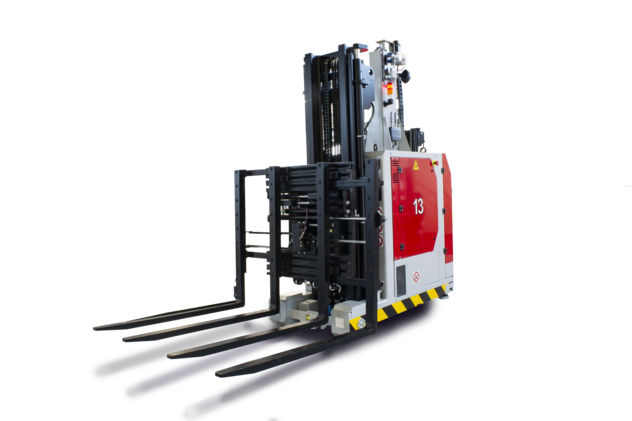
Wet environments, condensation, and the physical weight of liquid products put heavy demands on industrial packaging machines’ reliability. Automation here is structural, with laser-guided vehicles (LGVs) affecting pallet flow between packaging lines and the warehouse at high volumes.
Food: Hygiene, Fragility, and SKU Complexity
Food packaging automation presents a different set of priorities. Product fragility is often the first engineering challenge, with irregular shapes, delicate textures, and mixed-weight items needing gentler handling. Pick and place case packers are frequently the right solution as food packaging equipment, offering precision and flexibility without the risk of product damage.
Sanitation requirements are also significantly stricter. Food packaging equipment must support regular washdown cycles, and machine design needs to eliminate areas where contamination can accumulate. Compared to beverages, food operations tend to have far more SKUs for seasonality, regional variations, and retail requirements, all of which drive frequent format changes. That means high changeover frequency is a constant reality, and EOL systems need to accommodate it without sacrificing uptime.
Cold and frozen environments add another challenge. Machinery specified for ambient conditions simply won't perform reliably in temperature-controlled facilities. EOL automation in food requires purpose-built equipment that's been engineered for those conditions from the start.
Consumer Goods: Retail Presentation and Format Range
Home and personal care products introduce a different challenge: the packaging itself is part of the brand experience. Retail- and shelf-ready formats matter enormously, so the EOL system must produce consistently presented cases and pallets.
The variety of container goods also poses challenges. A single product line might include bottles, pouches, aerosols, tubs, and multi-packs – all requiring different secondary packaging approaches. Case packers and cartoning machines need to handle this range without requiring a full line rebuild every time a new SKU is introduced.
Promotional packaging and seasonal launches create demand spikes that further test EOL flexibility. Add in regulatory requirements for certain product categories – labeling, hazardous material compliance, tamper evidence – and consumer goods EOL requires adaptable automated packaging solutions.
The Right Partner Makes the Difference
Across all three sectors, the technology foundation is similar: case packing, palletizing and depalletizing, and automated guided vehicles. What separates a well-designed EOL system from a problematic one is how automated packaging systems are configured, integrated, and supported for your specific environment.
Industry experience matters, but so does the 24/7 technical support, access to spare parts, and on-site service you can expect after installation. These are what keep high-speed lines running when it counts most.
The best EOL systems are always tailored, not templated. Get in touch with OCME USA to explore what the right end-of-line solution looks like to optimize your operations.