End-of-line packaging represents the critical threshold where internal manufacturing meets the external supply chain. At this high-stakes juncture, every case and pallet leaving the line carries commercial and compliance implications.
Even minor mistakes can have consequences well beyond the plant floor. A packaging mismatch or unreadable barcode can trigger rework or delay shipment. It can also weaken traceability at the exact point where accuracy should be locked in.
These risks grow quickly in fast-moving environments, but machine vision systems give manufacturers more control. By bringing real-time verification into automated workflows, they help reduce avoidable errors and support more accurate end-of-line performance.
Why Machine Vision Systems Matter in Automated Packaging
Machine vision uses cameras, lighting, sensors, and software to inspect products and packaging in real time as they move through the line. Each image is analyzed against preset standards so the system can verify whether a package, label, code, or load condition meets the required criteria.
Machine vision adds consistency to processes that cannot afford to rely on guesswork. Instead of depending solely on manual checks, manufacturers gain a repeatable, objective way to confirm accuracy at production speed.
The operational value of machine vision becomes even clearer when the technology is integrated directly with automated packaging equipment. Rather than serving as a simple camera station, it works as a control layer that helps maintain quality standards at the end of the line. This keeps production moving with fewer avoidable disruptions.
Where Vision Improves Accuracy Most: Inspection, Verification, and Defect Detection
Accuracy at the end of the line depends on multiple checkpoints. Strong performance comes from confirming that each product is correctly identified, properly presented, and in acceptable condition before it moves into case packing or shipment.
Confirming the Right Product Enters the Right Packaging Process
Product identification is one of the most important functions in end-of-line packaging. When your line handles multiple SKUs, package sizes, flavors, container shapes, or batch formats, equipment needs to confirm that the correct product is entering the correct packaging process.
Industrial vision systems can inspect visual markers, package graphics, and printed codes in real time. In a food and beverage facility, a vision system may verify that a specific bottle format is feeding the correct case packer rather than a line configured for another product.
If your production schedule includes smaller batches or varied formats, vision-guided inspection helps maintain accuracy without slowing the line for repeated manual checks.
Protecting Accuracy Through Better Label Verification
Label accuracy directly impacts both packaging quality and downstream performance. Vision systems can verify label placement, readability, and content accuracy before products move further along the line.
Misapplied or damaged labels are easier to correct at this point than after products have been packed or staged for shipment, preventing larger operational problems.
Strengthening Traceability With Barcode and Code Inspection
Barcode and code inspection adds another layer of traceability. Vision systems can confirm that printed barcodes, lot numbers, production dates, or destination-specific codes are present and readable before products move to case packing or stretch wrapping.
When these checks are connected to your packaging line, nonconforming products are less likely to reach finished goods inventory. You also build a stronger record of quality events, which can support internal audits and customer documentation requirements.
Preventing Misfeeds, Damage, and Rejects Before Case Packing
A product entering a case packer in the wrong direction immediately threatens efficiency, causing poor fits, damaged packaging, equipment downtime, interrupted equipment movement, or rejected cases.
Vision systems can verify that each product is correctly positioned before it proceeds to the next automated step. They can detect rotated containers, missing components, crushed cartons, open flaps, poor seals, dented packaging, and surface defects.
When an issue is detected, the system can trigger a reject mechanism or divert the product for review. Early intervention helps isolate a problem before it affects a completed case, a full pallet, or a wrapped shipment already moving toward distribution.
How Vision Strengthens Palletizing Automation
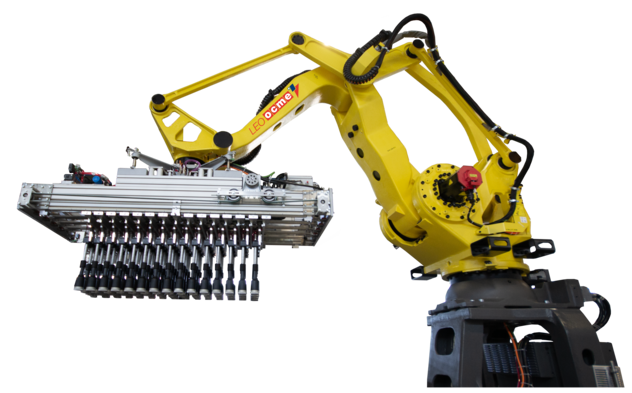
When integrated into palletizing automation, vision technology can ensure each case is positioned correctly as the load takes shape. Real-time verification can confirm pallet patterns and load height while also identifying missing or misplaced cases before the pallet moves to wrapping or shipment.
Greater precision at this stage supports more than a cleaner pallet build. Stable, correctly formed loads are more secure in transit and less likely to create downstream issues during storage or distribution.
Used this way, vision protects the integrity of the finished load as a whole. Manufacturers gain stronger control over final load quality, not just the condition of each package.
From Inspection to Insight: Vision as Part of Smart Manufacturing Solutions
Vision adds more value than inspection alone when it is connected to the broader line. Beyond pass/fail decisions, these systems generate real-time data that can show where recurring issues are emerging, whether after changeovers, during certain shifts, or at specific points within an automated packaging equipment system.
Patterns like these give teams better visibility into the source of repeat errors. Operations leaders can use that insight to support continuous improvement, refine line settings, and plan preventive maintenance before small issues become larger disruptions.
Real-time alerts also allow operators to respond while production is still running. Quality concerns can be addressed before they affect completed loads, helping reduce rework and protect throughput.
Industries That Benefit From Vision-Guided End-of-Line Automation
Industrial vision systems are especially valuable in environments where speed, variety, and accuracy need to work together. They help manufacturers maintain control at the end of the line, even as packaging formats and output demands become more complex.
Food and Beverage Manufacturing
Food and beverage lines often run at high speed, leaving little room for labeling or coding errors to slip through. Machine vision systems help verify labels, date codes, barcodes, and overall package presentation before products move into case packing and palletizing.
Consumer Packaged Goods, Personal Care, and Household Products
Consumer product operations often manage broad SKU ranges, seasonal packaging, promotional packs, and retailer-specific formats. Vision-guided inspection helps maintain consistency where even small visual differences between products can have significant operational consequences.
Pharmaceutical and Life Sciences Packaging
In pharmaceutical and life sciences applications, reliability in printed information is crucial. Verification of labels, lot details, codes, and package presentation helps reduce the risk of unreadable or mismatched products moving further down the line while strengthening traceability.
High-Mix, Flexible Manufacturing Environments
Some of the strongest use cases occur in industries that manage frequent changeovers, shorter runs, varied package sizes, and multiple SKUs. In these environments, vision technologies help maintain accuracy as lines transition between formats, supporting more stable performance through change.
Smarter End-of-Line Performance Starts With the Right Integrated System
Machine vision systems deliver the greatest value when they are part of a well-integrated end-of-line strategy. Their role extends beyond spotting isolated errors, supporting a more controlled, responsive operation across packaging, palletizing, and load handling.
At OCME USA, we work with you to build solutions tailored to your operation and performance goals. We recognize that strong performance depends on smart system design as much as on the technology itself, so our team works with you to shape smart manufacturing solutions tailored to your real production requirements.
Connect with us to see how integrated vision and packaging solutions can help improve your line’s accuracy and overall performance.